

Massive Purge Shakes Chinese Communist Party Leadership Ahead of 2027
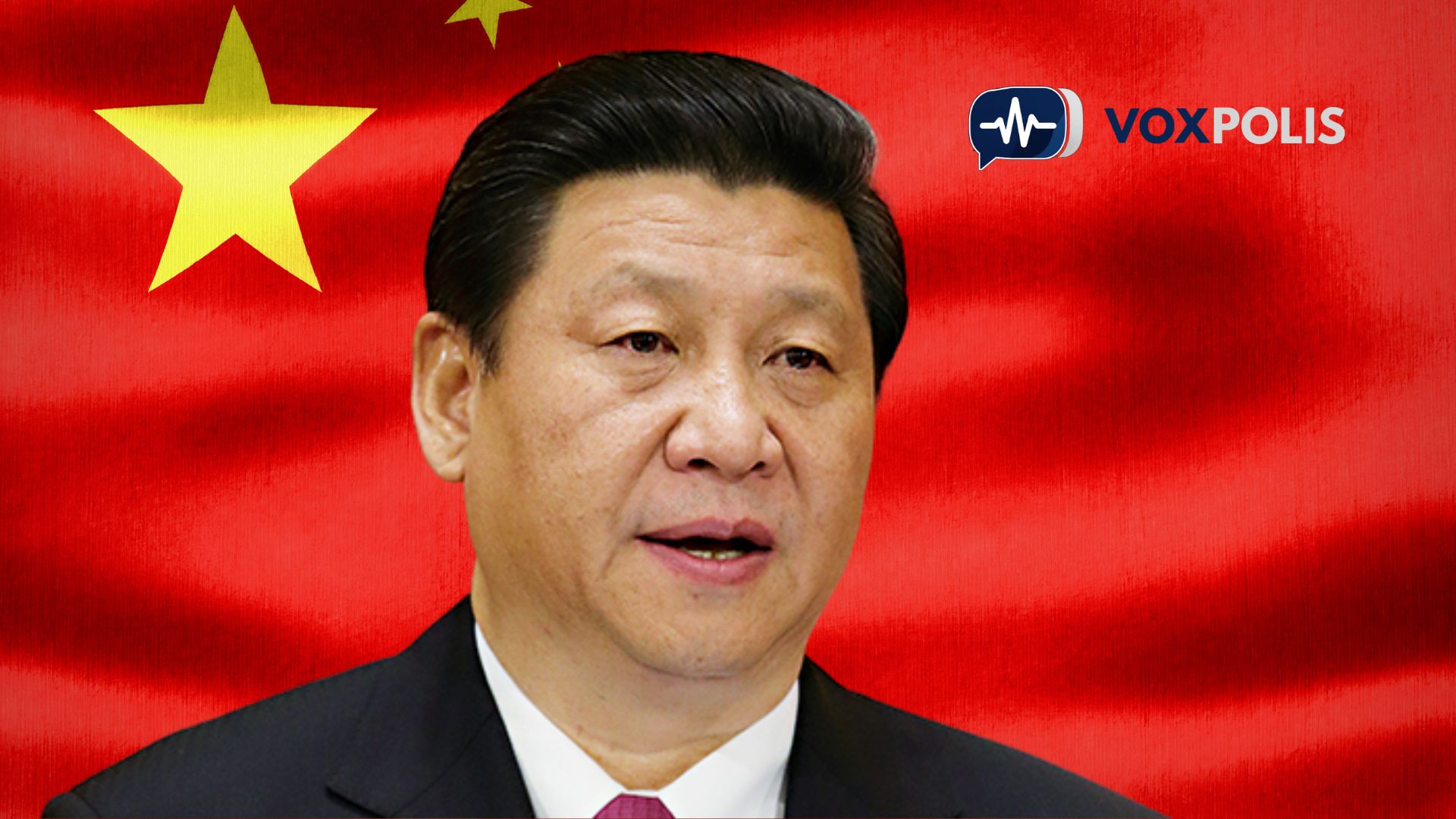
President Xi Jinping cements his control through a historic party purge, leaving critical military command gaps as he approaches a potential fourth term.
At a glance
- At least 7.9 million members have been punished during Xi Jinping's fourteen-year anti-corruption campaign.
- The recent fifth plenum expelled thirty-three members and alternate members, including sixteen from the military.
- Only two of seven members remain on the Central Military Commission following sweeping leadership removals.
- Xi is widely expected to pursue an unprecedented fourth term as general secretary in late 2027.
The leadership structure of the Chinese Communist Party has undergone a dramatic transformation following a series of high-level removals. President Xi Jinping's ongoing drive for strict party governance resulted in severe penalties for millions of officials over the past fourteen years. Following a recent gathering of the party's central committee, dozens of members and alternate officials faced expulsion.
The recent plenum targeted numerous figures within the military apparatus, leaving major vacancies in top command positions. Only two members now remain on the Central Military Commission alongside the president. The report states that the scale of these removals is unprecedented in nearly half a century, resulting in a central committee that is significantly smaller than usual.
The sweeping disciplinary actions coincide with preparations for the next party congress, where Xi is anticipated to seek an unprecedented fourth term in office. While past purges were frequently interpreted as efforts to sideline political rivals, recent actions have also touched figures close to the leadership. The report indicates these moves serve to reinforce central authority and manage internal risks.
The political restructuring also intersects with international tensions and sports diplomacy. A recent public remark by French footballer Kylian Mbappé regarding former leader Mao Zedong triggered swift commercial backlash and state broadcaster censure in China. External criticism of historical figures is routinely framed as an insult to the public, allowing authorities to mobilize nationalist sentiment.
What it means
The concentration of authority around Xi Jinping raises fundamental questions regarding institutional resilience and operational effectiveness within the ruling party. By removing senior figures across both provincial administration and military command, the leadership aims to eliminate dissent and guarantee absolute political loyalty. However, leaving crucial command positions vacant introduces potential vulnerabilities as the military approaches its centenary.
At the same time, the aggressive enforcement of ideological boundaries demonstrates how domestic political control extends into international commercial spheres. When foreign commentary on historical figures encounters coordinated economic pressure, it illustrates the party's reliance on nationalist sentiment to unify public support while demanding adherence to official narratives abroad.
Background
The Chinese Communist Party operates under a strict authoritarian framework with over 100 million members. Since taking office, Xi Jinping has utilized sweeping anti-corruption movements to reshape internal party dynamics, centralize decision-making power, and prepare for upcoming leadership milestones.
What happens next
The party will continue implementing disciplinary measures and managing leadership vacancies ahead of the next congress scheduled for the second half of 2027.
Reporting from: ABC News. Spotted an error? Tell us.
- Xi Jinping
- Chinese Communist Party
- Anti-Corruption
- Military Commission
- Politics
- China