

Spain transport minister rejects resignation calls after fatal train disaster
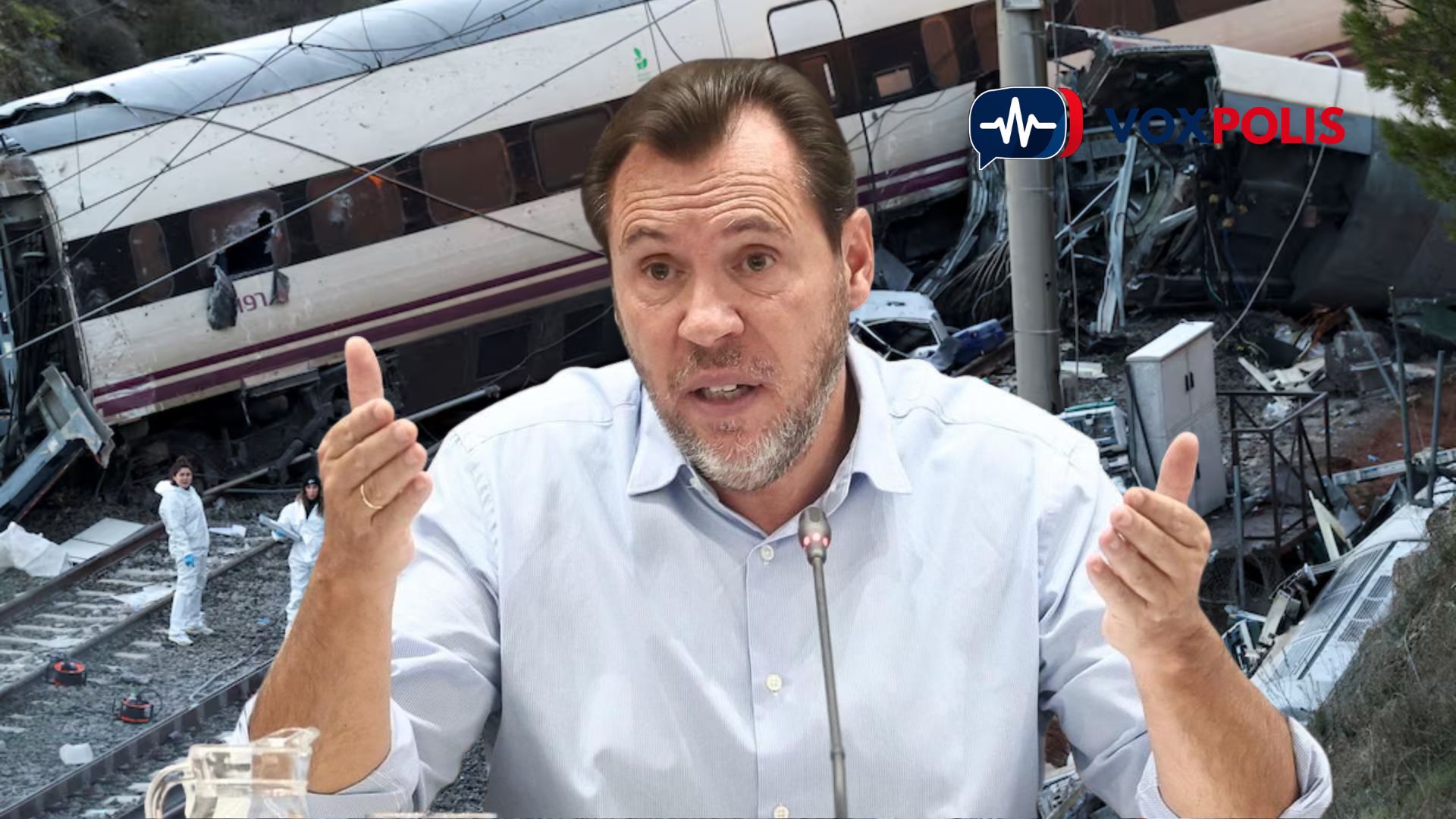
Óscar Puente insists he will remain in office to resolve the crisis following a devastating high-speed rail collision that killed dozens.
At a glance
- Transport Minister Óscar Puente rejected demands for his resignation during a press conference in Madrid.
- At least 69 people died when a Renfe high-speed train collided with a stationary Iryo train near Urda.
- Prime Minister Pedro Sánchez stated that public trust in the rail network has been broken.
- Investigators reported that a computer failure and subsequent control instructions preceded the crash.
Spain's transport minister has firmly refused to step down from his post following a catastrophic high-speed rail collision that resulted in at least 69 fatalities. Óscar Puente addressed reporters in Madrid on Friday, maintaining that he possessed nothing to conceal while reiterating the administration's commitment to uncovering the truth behind the accident.
The disaster unfolded on Wednesday morning near Urda in the central Toledo province. A state-operated Renfe high-speed train traveling between 160km/h and 200km/h struck the rear of a stationary train operated by the Iryo company. The impact caused the leading carriage of the moving train to embed deeply into the tail of the stalled vehicle.
In the wake of the tragedy, Puente has faced mounting pressure to resign. Political opponents, a trade union, and protesters gathered outside the transport ministry on Wednesday night to demand accountability. Prime Minister Pedro Sánchez acknowledged that public confidence in the national high-speed rail network is severely damaged, noting it is unacceptable that two similar tragedies have occurred within a year.
Investigators released a preliminary report indicating a computer failure earlier on Wednesday morning halted six moving trains, including the two involved in the crash. Leaked audio recordings suggested that control center staff cleared one train to proceed even though another remained stalled further along the track. Puente previously called the decision to resume movement without speed restrictions inexplicable, though he maintained he would not use any worker as a shield.
Despite demands from the conservative People's Party and the CSIF trade union for his departure, Puente insisted his immediate priority is managing the crisis rather than his political future. He noted that leaving would be the simplest path, but neither suited his character nor aligned with the wishes of the Prime Minister. The nation is currently observing three days of official mourning as families await news of missing relatives.
What it means
The fatal collision places immense political pressure on the socialist-led government, testing public faith in national infrastructure and safety protocols. The repetition of a major rail disaster within a single year has transformed an operational failure into a severe political crisis, threatening the administration's credibility on public service management.
While opposition parties and labor groups seek accountability at the ministerial level, the government attempts to balance institutional defense with promises of transparency. How the administration handles the official findings and subsequent reforms will likely shape political alignments in parliament as various factions debate the broader implications of rail liberalisation.
Background
Spain operates one of the most extensive high-speed rail networks in Europe, connecting major cities like Madrid, Seville, and Barcelona. The country previously experienced a deadly crash on the Madrid-Seville route in January that claimed 46 lives, raising longstanding questions about safety management and sector liberalisation.
What happens next
Transport investigators will continue examining the human and technical factors behind the collision, while authorities work to identify missing victims and provide support to families during the three-day period of mourning.
Reporting from: BBC News. Spotted an error? Tell us.
- Óscar Puente
- Pedro Sánchez
- Renfe
- Transport
- Rail Accidents
- Spain
- Politics