

Iran Warns US and Israel as Leaders Signal Potential Military Escalation
Iran issues stern warnings to Washington and Tel Aviv following renewed threats of military action, as indirect diplomatic efforts led by Qatar persist.
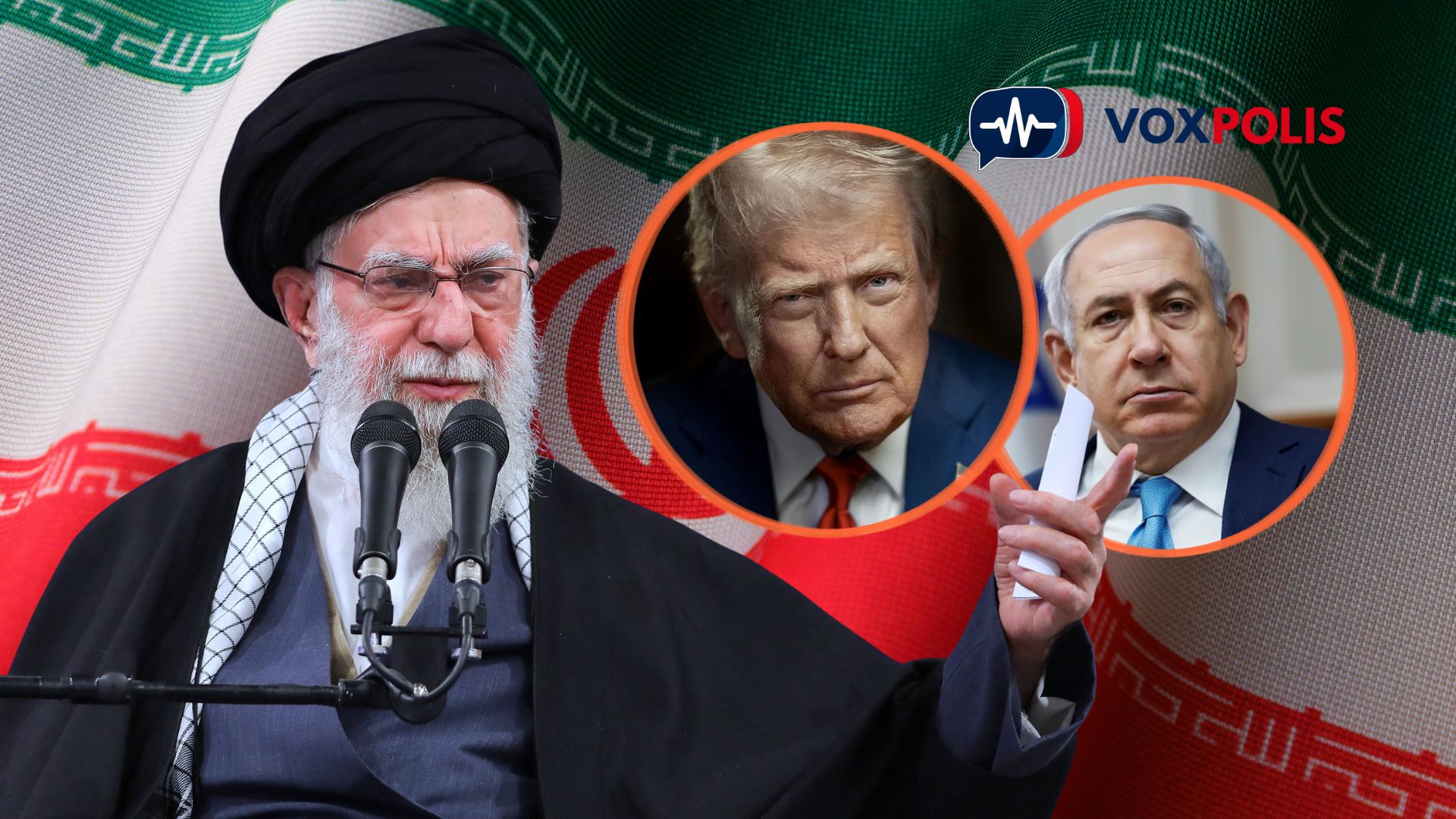
At a glance
- Iran’s supreme leader Mojtaba Khamenei warned the United States and Israel against launching any new military strikes.
- US President Donald Trump and Israeli Prime Minister Benjamin Netanyahu have both issued recent threats of fresh action.
- Iranian Foreign Minister Abbas Araghchi stated that there are currently no plans for direct meetings with American officials.
- Indirect mediation efforts by Qatar and Pakistan continue as regional tensions remain high following months of conflict.
Iran has issued a stern warning to the United States and Israel against launching fresh military strikes, as leaders in Washington and Tel Aviv signal potential escalation. In his first reported meeting with military commanders, Iran’s supreme leader Mojtaba Khamenei ordered armed forces to prepare an immediate and geographically unrestricted response to any threats. The directive also instructed commanders to update target lists including American and allied assets.
The warnings follow recent remarks from US President Donald Trump indicating potential military action after upcoming midterm elections. US Secretary of State Marco Rubio noted that military objectives could still be pursued, though he added that no final decision has been made. In Israel, Prime Minister Benjamin Netanyahu described the current situation as a historic opportunity to target the Iranian government following recent parliamentary elections.
Diplomatic channels remain active despite the rising rhetoric. Qatari mediators traveled to Tehran, and US Vice President JD Vance sent a letter to Iranian security chief Mohsen Rezaei to encourage renewed negotiations. Iranian Foreign Minister Abbas Araghchi acknowledged the communication as a positive step but confirmed that direct meetings with American officials are not currently planned.
The ongoing conflict, which began with US-Israeli strikes in February, continues to impact global energy markets through shipping disruptions in the strategic Strait of Hormuz. While international mediators from Qatar and Pakistan work to prevent a broader escalation, Iranian military officials have cautioned that any renewed hostilities would widen the geographic scope of the conflict.
What it means
The escalating rhetoric highlights the fragile state of regional security as domestic political pressures mount in both the United States and Israel. With US midterm elections approaching and domestic voters sensitive to energy price spikes driven by shipping disruptions, foreign policy decisions carry significant electoral weight. Meanwhile, Israel's ongoing government formation process adds another layer of uncertainty to how Tel Aviv will approach future military or diplomatic steps.
For Iran, projecting strength and maintaining a firm stance against foreign threats serves both deterrence and domestic messaging purposes under new leadership. The reliance on indirect mediation via Qatar shows that both sides prefer to keep a diplomatic valve open even as military commanders update targets and prepare for potential confrontations. The upcoming weeks will test whether backchannel diplomacy can override the incentives for renewed military action.
Background
The current military confrontation between Iran, the United States, and Israel began with major strikes in February. The hostilities have disrupted maritime traffic through the Strait of Hormuz, affecting global oil supplies and keeping international energy markets volatile while diplomatic actors attempt to broker a lasting settlement.
What happens next
Mediators from Qatar and Pakistan will continue indirect talks between Tehran and Washington, while observers monitor the fallout from US midterm elections and government formation in Israel.
Reporting from: Punch, Punch. Spotted an error? Tell us.
- Iran
- United States
- Israel
- Mojtaba Khamenei
- Donald Trump
- Benjamin Netanyahu
- Nigeria
- Politics