

South Africa Heads to High-Stakes Local Polls Amid Declining Turnout
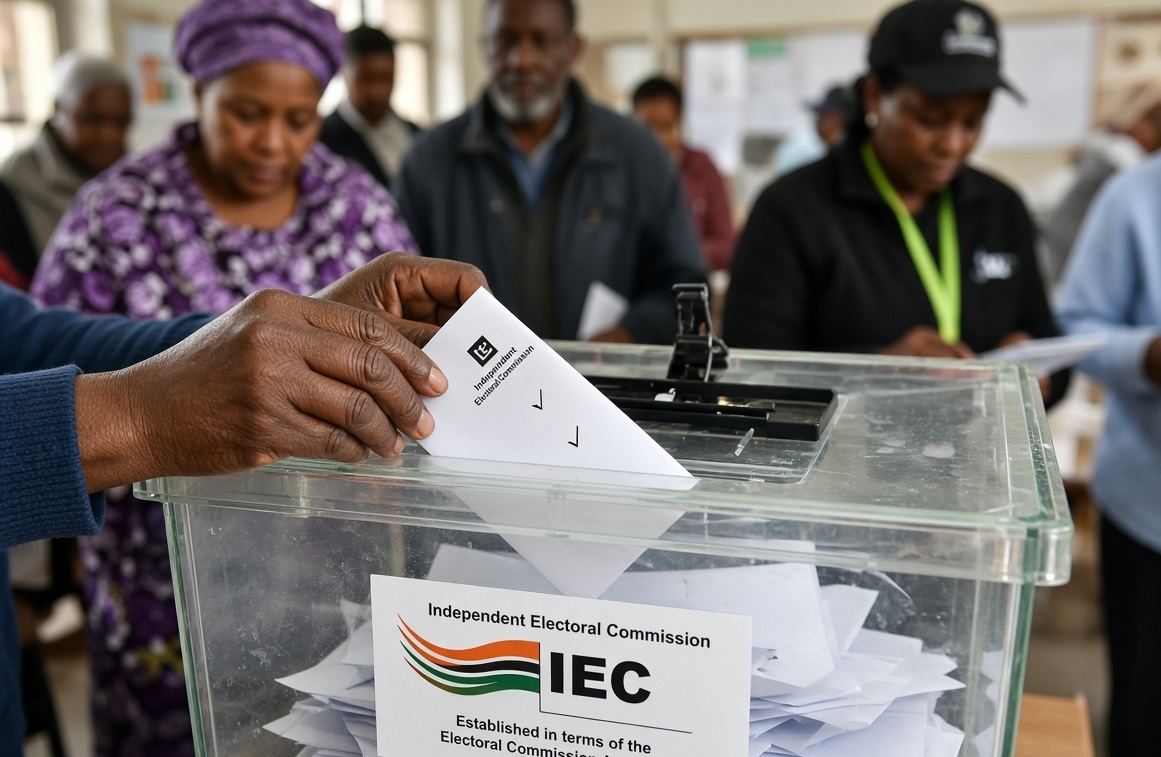
Voters across South Africa prepare to cast ballots on 4 November in municipal elections expected to reshape local government and test major parties.
At a glance
- Municipal elections across South Africa's nine provinces are scheduled for 4 November 2026.
- Polling data predicts voter turnout could drop to a new low of about 48.8 percent.
- Surveys indicate support for the governing ANC may fall significantly, paving the way for potential coalition rule.
South Africa stands on the brink of a pivotal electoral test as millions prepare to cast ballots in the municipal elections on 4 November 2026. Across the country's nine provinces, voters will decide the composition of district, metropolitan, and local councils in a contest defined by voter fatigue, service delivery frustrations, and a shifting political landscape.
Recent polling data points toward a deepening fragmentation of power. With traditional majorities slipping out of reach for the governing African National Congress, the upcoming vote is set to accelerate the rise of coalition governance and test the electoral strength of opposition challengers.
Polling numbers point to shifting fortunes
Data from the Electoral Commission of South Africa shows a long-term decline in voter participation, falling from 89.3 percent in 1999 to 58.6 percent in 2024. Recent surveys by eNCA and Mark Data project an even lower turnout of 48.8 percent for the upcoming municipal vote.
National surveys by the Social Research Foundation, Ipsos, and News24 place projected support for the ANC between 22 percent and 32 percent. Meanwhile, polls suggest the DA could secure leads in key battlegrounds such as Johannesburg and Tshwane, while the uMkhonto weSizwe party eyes major gains in regions like eThekwini.
Service delivery and fragmentation drive the race
The electoral battle reflects widespread public frustration over chronic infrastructure failures, including persistent water shortages, power outages, and road decay in major urban centers. Dr Harlan Cloete, a research fellow at the University of the Free State, notes that the political system is fracturing as breakaway factions and newly independent platforms draw voters away from established parties.
The shift toward coalition politics introduces severe governance challenges. Major opposition contenders have drawn hard lines on potential partnerships, meaning the outcome on 4 November will likely force complex negotiations to form stable municipal administrations.
What to watch: Watch for the official voter turnout figures and final municipal seat allocations following the 4 November election day.
Reporting from: Daily Maverick. Spotted an error? Tell us.
- South African municipal elections
- ANC
- Democratic Alliance
- MK Party
- Electoral Commission of South Africa
- South Africa
- Politics